
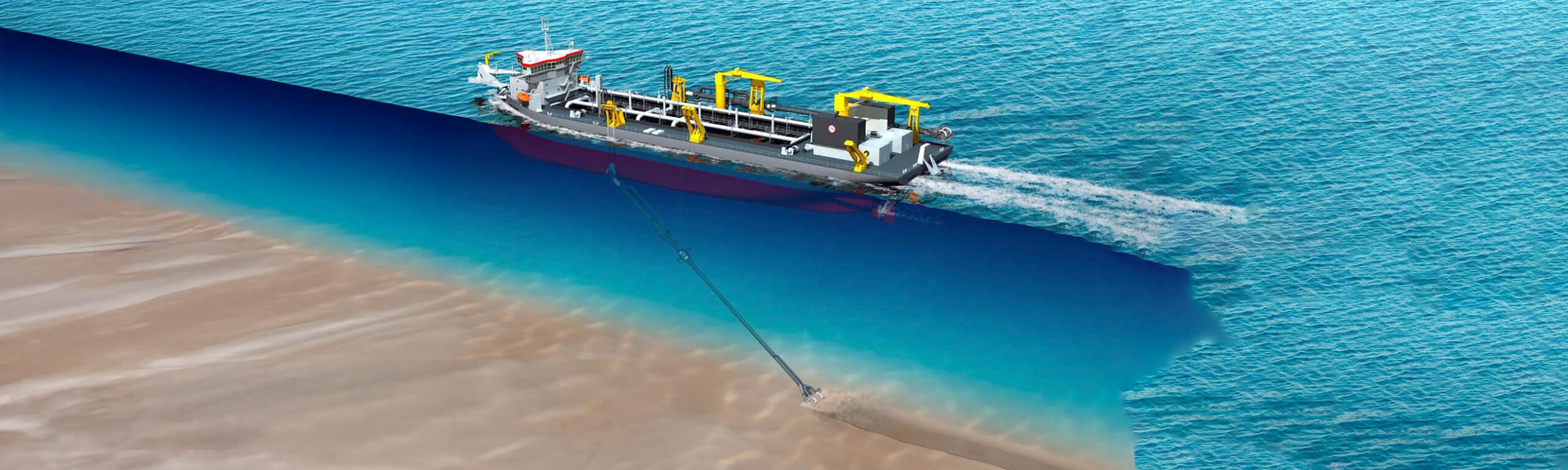
Most people in the general public may not realize that simple sand is one of the most important materials needed to support human civilization and economic development. Sand is the second-most-used natural resource globally, after water, with approximately 40 to 50 billion tons required annually. Sand is an essential ingredient in concrete, which underpins all forms of infrastructure. Global demand has tripled in the past two decades, driven by rapid urbanization, particularly in Asia.
Large volumes of sand are also used globally in coastal protection works, beach nourishment and land reclamation. Specific mineral sands are also vital for manufacturing glass, microchips, solar panels and other products that are essential to the global transition towards a more sustainable energy future, including, even, sand batteries.
While there are enormous volumes of sand in the world’s deserts, their grain size, smoothness and mineral composition make most desert sands unsuitable for construction and industrial use. Traditionally, most construction and industrial sand has been sourced from terrestrial deposits, coastal areas and rivers, sometimes causing significant environmental impacts.
Marine sands are emerging as a more environmentally sustainable alternative to land- and river-sourced sands. Sourcing marine sands does not require the clearing of vegetation habitat, does not interfere with freshwater flows and groundwater resources, and can replenish naturally from upstream sediment sources, if sited in the right location.
While it is certainly possible that sourcing marine sands can cause significant environmental impacts, it is also possible that the environmental impacts can be negligible and temporary, if the operation is planned, sited, managed and monitored properly, as applied to the Cambridge Gulf proposal.
Boskalis Australia is seeking to assist the global transition to a more ecologically sustainable way of meeting the world’s ongoing demand for sand, by bringing its wealth of global marine expertise and experience to bear. Through the application of the most comprehensive and rigorous environmental assessment studies, and the most stringent, best-practice environmental protection measures, the Cambridge Gulf Marine Sand Proposal has the potential to be a model for sustainable development, bringing significant economic and social benefits to local communities, Traditional Owners and the State of Western Australia, while protecting the environment.
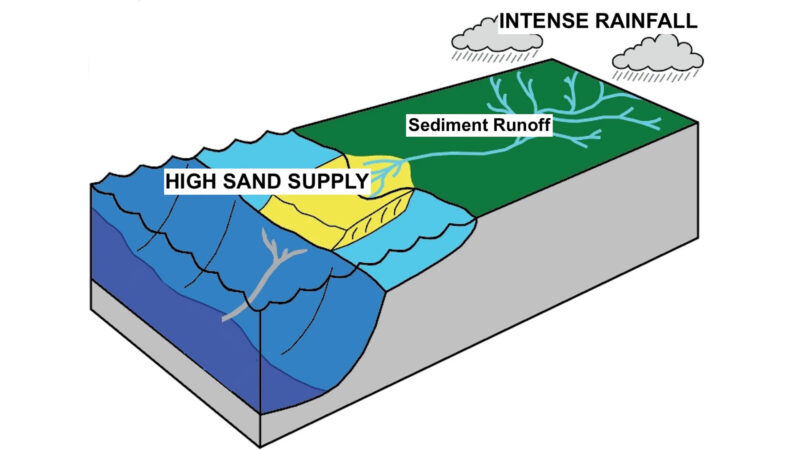
Marine sands can replenish naturally from upstream sediment sources.